Here is the English translation of the text, maintaining its medical terminology, structure, and professional yet accessible tone:
Polyendocrine Metabolic Ovary Syndrome (PMOS) (Cloned)
The name of the PCOS condition, which affects millions of women, has been changed to PMOS because it is not merely a gynecological disorder related to the ovaries. It is a complex endocrine and metabolic disorder. I have been explaining this for years. Birth control pills do not treat this disease. Three years ago, I chose PCOS for my end-of-year school project and wrote about natural approaches to this condition. My assignment received a “very good” grade—something almost impossible in the British system 🙂 If you would like to read this assignment along with its scientific article references, you can find the translated version of my article below. I hope you will share it with the women around you who have PCOS.
* At the time this article was written, the disease was known as PCOS, and it was referred to as PCOS in the text; however, since its name has currently changed to PMOS, I have updated this term to PMOS throughout the article.
Definition
Polyendocrine Metabolic Ovary Syndrome (PMOS) is the most common endocrine disorder among women of reproductive age and has lifelong health implications (Harada, 2022). This disorder affects various aspects of women’s health. The primary indicators of the disorder are hyperandrogenism (elevated androgens), anovulation (ovulation irregularity), and polycystic ovaries. Other features of the disorder include obesity, metabolic syndrome, irregular menstrual cycles, diabetes, infertility, hirsutism (male-pattern hair growth in women), acne, endometrial cancer, and cardiovascular diseases (Lad et al., 2024).
Abnormalities seen in the metabolic rates of androgens (male hormones) and the control of their production can be the result of the abnormal functioning of the HPO (hypothalamic-pituitary-ovarian) axis (Scott Lucidi, 2018). The same applies to the metabolic rates of estrogen.
Epidemiology
The first report regarding the disorder was presented in modern medical literature in 1935 by Stein and Leventhal. They reported evidence based on a sample of seven women suffering from amenorrhea, hirsutism, and enlarged ovaries with multiple cysts (Kostroun et al., 2023).
Today, this condition affects 10-13% of women of reproductive age (Teede et al., 2023).
It is considered a common disorder that affects women throughout their lives and can be heterogeneous and hereditary in nature (Sirmans and Pate, 2013).
PMOS is recognized as a prevalent hormonal disorder across the ethnic and racial spectrum. However, when examining the expression of the phenotype, differences are observed in the following groups: North and South American women, including Canadians, Latinas, African Americans, Caribbean Hispanics, Icelanders, Europeans, Southeast Asians, Chinese, New Zealanders, and women from the Middle East. Women of African descent with PMOS are more likely to exhibit risk factors for hypertension and cardiovascular disease, whereas Hispanic women are at higher risk for metabolic syndrome and Type 2 diabetes. Despite these differences just described, additional evidence reveals that adolescent women do not show significant distinctions regarding these reproductive or metabolic characteristics (Ladson et al., 2011).
In the differences between Chinese and Western women, significant ethnic variability has been observed, particularly in terms of hirsutism. Asian (East and Southeast Asian) women showed less hirsutism despite having the same serum androgen values as Western women. Furthermore, Southern Chinese women showed a prevalence of 10.5% in a study on hirsutism [33]. A significant increase was specifically observed in the symptoms of acne, menstrual irregularities, polycystic ovaries, and acanthosis nigricans (skin darkening/thickening) (Zhao et al., 2011).
Etiology
The causes of the disorder are not entirely clear to the scientific community. Different factors influence the development of PMOS. These factors range from genetic and hereditary reasons to lifestyle choices and environmental components.
Family History
Studies have shown that a certain level of genetic inheritance is present. This is particularly evident in women who have a history of PMOS in their first-degree relatives. Evidence shows that among 93 PMOS patients, 35% of premenopausal mothers had the disorder, and 40% of their sisters were affected by it. Another study suggested that among 80 women diagnosed with PMOS, 22% of their sisters were affected by PMOS, while 24% of the sisters had hyperandrogenemia along with regular menstrual cycles (Siddiqui et al., 2022).
Environmental factors have also been linked to the disorder (Gautam et al., 2024). Specifically, Emerging Pollutants such as PPCPs (Pharmaceuticals and Personal Care Products), Microplastics, Endocrine Disruptors, and Nanoparticles (NPs) are discussed here. Increasing industrialization and population negatively impact the environment as they produce and release Emerging Pollutants (EPs). Scientific evidence suggests that these can cause genetic variation, alterations in metabolic and reproductive pathways, and the emergence of PMOS symptoms and associated problems.
Another cause has been identified as obesity and insulin resistance. Polyendocrine Metabolic Ovary Syndrome is a genetic condition exacerbated by obesity. According to epidemiological data, there is a close link between obesity and PMOS, and this link has been further supported by recent genetic studies. Multiple mechanisms mediate the effects of weight gain and obesity on the development of PMOS. The metabolic effects of insulin resistance and the impacts of hyperinsulinemia on the production process of steroid hormones (such as androgen, estrogen, cortisol) and reproduction are among these crucial mechanisms (Barber and Franks, 2021).
Pathophysiology
One of the primary causes in the pathophysiology of PMOS is recognized as free testosterone in the blood, evidenced by hyperandrogenism (Chaudhuri, 2023).
Polyendocrine Metabolic Ovary Syndrome is characterized by an increased pulse frequency of gonadotropin-releasing hormone and decreased negative feedback from sex steroids at the hypothalamus level (Dong and Dafydd Aled Rees, 2023).
The main difficulty in understanding PMOS pathophysiology is its heterogeneous and complex nature. Factors such as hyperandrogenism, ovulation disorder, irregular pulsatile secretion of gonadotropin-releasing hormone (GnRH) and the resulting irregular gonadotropin secretion, along with insulin resistance, interact with and heavily negatively impact one another, playing key roles in PMOS pathophysiology.
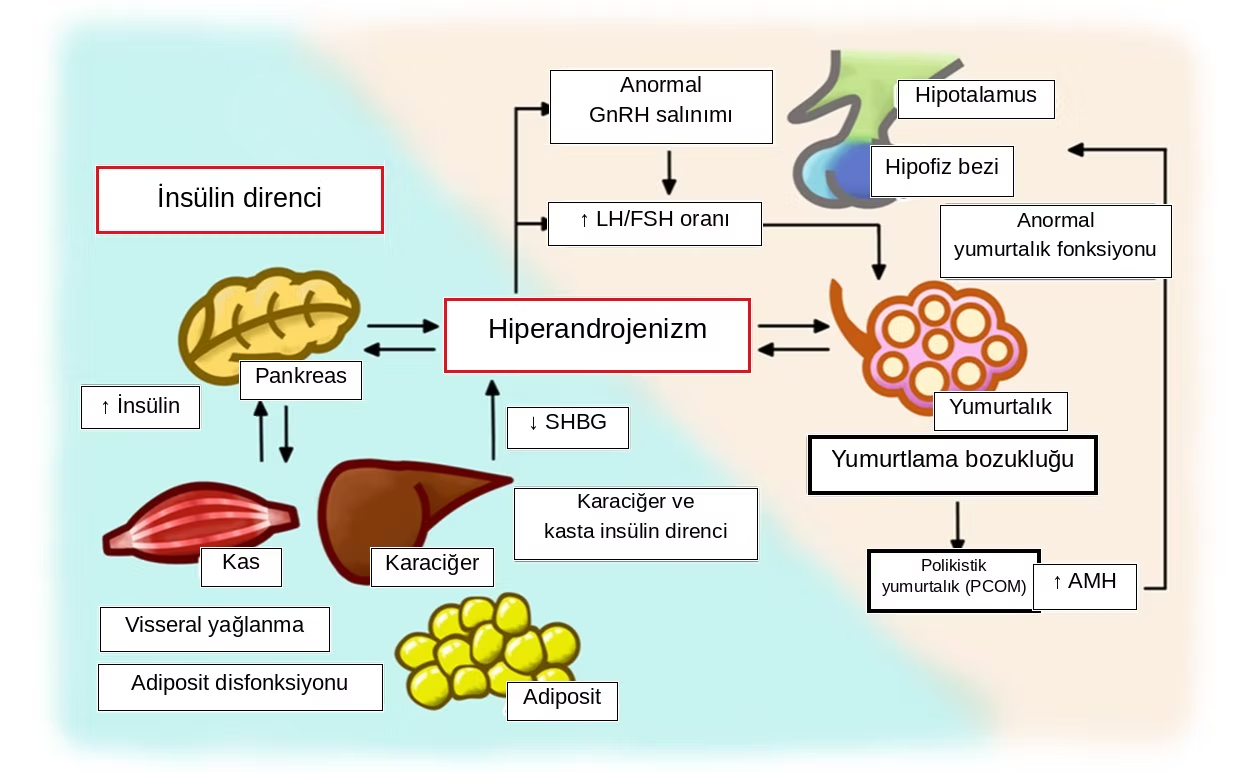
Ovarian dysfunction involves the hypersecretion of androgens; this condition is associated with abnormal follicular growth and ovulation disorder, causing PCOM (Polycystic Ovary Morphology). High anti-Müllerian hormone (AMH) levels secreted by the small antral follicles accumulating in PMOS ovaries alter the follicular microenvironment and/or the pulsatile (intermittent) secretion of GnRH, further worsening ovarian dysfunction. Hyperandrogenism causes irregularity in the pulsatile secretion of GnRH; this can be explained, at least in part, by the abnormal negative or positive feedback of progesterone and estrogen, leading to the abnormal secretion of gonadotropins, especially excessive LH secretion. High LH levels and the resulting imbalance in the LH/FSH ratio further exacerbate the dysregulation of follicular growth and simultaneously cause hypersecretion of androgens from theca cells (Harada, 2022).
A key component of PMOS pathophysiology that is not included in the diagnostic criteria is insulin resistance (Cassar et al., 2016; Kakoly et al., 2018). Insulin resistance can be seen in insulin-sensitive organs and is associated with visceral dysfunction (Azziz et al., 2016). Insulin resistance increases with excessive androgen secretion levels. Hyperinsulinemia develops secondary to insulin resistance and further increases androgen secretion. It affects the production of sex hormone-binding globulin (SHBG) in the liver. The result of this is an increase in the concentration of circulating bioactive free testosterone, which further worsens disorders associated with hyperandrogenism (Harada, 2022).
Figure 1: Pathophysiology of PMOS
(Diagram/Visual placeholder based on text)
Clinical Signs and Symptoms
Various diagnostic criteria have been applied in different studies and at different times. The first diagnostic attempt was made by the National Institutes of Health (NIH) in 1990. The most widely accepted criteria for PMOS were introduced in 2023 and are known as the Rotterdam criteria. To make a diagnosis, two of the four criteria must be met:
-
Hyperandrogenism (clinical or biochemical)
-
Oligo-ovulation (infrequent ovulation) (intervals < 21 days)
-
Infrequent bleeding (intervals > 35 days)
-
Polycystic ovary morphology (PCOM) (defined as the presence of ≥ 12 follicles with a maximum diameter of 2-9 mm, or an ovarian volume > 10 ml [without a cyst or dominant follicle] in either ovary) (Anagnostis, Tarlatzis and Kauffman, 2018).
The diagnosis of PMOS is also heavily influenced by numerous bodily changes such as obesity, metabolic syndrome, diabetes, infertility, hirsutism, acne, endometrial cancer, and cardiovascular disease.
The fundamental indicators of PMOS can be found in the excessive secretion of male hormones (testosterone), estrogen, and luteinizing hormone/follicle-stimulating hormone (LH/FSH)—the most important hormones secreted by the pituitary gland—as well as endocrine dysfunction.
Women of reproductive age and adolescents experiencing PMOS are associated with hormonal imbalances. This condition is characterized and defined by a triad consisting of hyperandrogenic symptoms, impaired ovarian function, and polycystic ovary morphology on ultrasonography.
Furthermore, PMOS is associated with reproductive health issues like miscarriage, infertility, and neonatal/pregnancy complications, as well as mental health issues like anxiety, stress, and depression (Lad et al., 2024).
Differential Diagnosis
Diagnosing PMOS can be difficult because it overlaps with other conditions and shares similar symptoms. To make the comparison clear, we have included the table below.
Table 1: Differential Diagnosis
| Medical Pathology | Similarities | Differences |
| Amenorrhea | Absence of menstrual bleeding | Can occur in prepubertal, pregnant, and postmenopausal women. |
| Congenital Adrenal Hyperplasia | Infrequent menstruation, hirsutism and/or infertility, amenorrhea | Genital anomalies, early pubic hair growth, clitoromegaly, skeletal maturation, dehydration. |
| Adrenocortical (Adrenal Cortical) Carcinoma | Hyperandrogenism, signs of metabolic syndrome, and menstrual abnormalities | Cancerous tumor in the adrenal gland. |
| Acromegaly | Irregular periods, clinical or biochemical evidence of androgen excess, and/or multiple ovarian follicles on pelvic ultrasonography. Women with acromegaly may present with some or all of these symptoms, with mild hirsutism | Patients with acromegaly have characteristic facial features such as a large lower jaw, prominent forehead, and enlarged hands and feet. |
| 3-Beta-Hydroxysteroid Dehydrogenase Deficiency | Hyperandrogenism, insulin resistance | Affects both men and women; it is a rarer disease seen in approximately 1:1000 people. |
| Hyperprolactinemia | Amenorrhea or infrequent menstruation | Galactorrhea (milky nipple discharge). |
| Hypothyroidism | Hair loss, depression, menstrual irregularities, impaired fertility, weight gain, hair loss on the scalp | Fatigue, loss of energy, decreased appetite, cold intolerance, muscle pain, joint pain, weakness in extremities, forgetfulness, constipation, decreased hearing, fullness in the throat, hoarseness, elevated TSH with decreased T4 or FTI. |
| Cushing’s Syndrome | Steroid acne; consists of papular or pustular lesions on the face, facial hair growth, androgen excess | Purple stretch marks (usually wider than 0.5 cm); most commonly seen on the abdomen, buttocks, lower back, upper thighs, upper arms, and breasts. As the skin thins, underlying vessels may become exposed and prominent; the skin thins and wastes away. Skin darkening (acanthosis nigricans) can also be seen, which is associated with insulin resistance. |
| Ovarian Tumors | Reproductive system problems, menstrual periods, pelvic pain, stomach bloating, and pain during intercourse, excess weight | Ovarian cancer is more common in older women, while PMOS is seen in women of reproductive age (20-40 years). Treatment is required to remove ovarian cancer tumors, whereas PMOS cysts come and go with menstrual cycles. Ovarian cancer tumors are solid cell masses, while PMOS creates cysts filled with fluid and normal tissue. |
(References: Feldman Witchel, 2012; Majumdar and Mangal, 2013; Medscape.com, 2019; Orlander, 2019; Iatrogenic Cushing Syndrome: Practice Essentials, Frequency, Mortality/Morbidity, 2020; Nguyen and Mesfin, 2020; Adigun, Hauck, Kimball and Zava, 2021; Yesiladali et al., 2022; Anamil Khiyami et al., 2023; Practice Committee of the American Society for Reproductive Medicine. Electronic address: jhayes@asrm.org, 2024; www.compassoncology.com, n.d.)
Red Flag for PMOS:
Researchers found that women diagnosed with PMOS are at an 8.47 times higher risk for suicide attempts during a 16-year follow-up period compared to women without this condition. Although the risk is slightly lower in older women with PMOS compared to younger women, it is still higher compared to older women without PMOS (Hsu et al., 2024).
Investigations / Reviews
After excluding conditions with similar symptoms (described above), the following tools can be used to investigate PMOS.
-
Taking Family and Health History: According to research (Siddiqui et al., 2022), if a patient’s mother or sister also has PMOS, the patient is more likely to have PMOS. PMOS tends to run in families. The practitioner should look at factors such as the menstrual cycle, infertility, and whether any miscarriages have occurred. According to the Rotterdam criteria, one of the most important signs of PMOS is infrequent menstruation or no menstruation at all (>35 days apart or <8 periods a year) (Christ and Cedars, 2023). These parameters help clearly track the menstrual cycle.
-
Physical Examination: Since PMOS is a result of hyperandrogenism (Harada, 2022), the practitioner should check for hair growth and acne. Patients may experience excessive body hair and acne similar to a male-pattern presentation.
-
Ultrasound: According to the Rotterdam consensus and the Androgen Excess & PCOS Society, ultrasound criteria consist of the presence of 12 or more follicles within the ovary. The diameter of the follicles should be 2-9 mm and/or the ovarian volume should be 10 cm³ or larger (Polycystic Ovary Syndrome (PCOS) Imaging: Practice Essentials, Magnetic Resonance Imaging, Ultrasonography, 2022).
-
Laboratory Evaluation: Biochemical evaluations should look for evidence supporting PMOS (hyperandrogenism and insulin resistance) and exclude other disorders described in the differential diagnosis section. The parameters are as follows:
-
Biochemical Hyperandrogenism: Elevated total or free testosterone or calculated indices of free testosterone.
-
Clinical Hyperandrogenism: A modified Ferriman-Gallwey score of ≥4 to ≥8.
-
Initial screening tests may include determining blood serum FSH and LH levels. The ratio of FSH to LH levels is useful in diagnosis. In PMOS, the LH/FSH ratio is generally greater than 3 (Christ and Cedars, 2023).
-
Orthodox Medicine
The international PMOS guideline has established recommendations for treating PMOS symptoms. These include irregular cycles, hirsutism, anovulation (Hoeger, Dokras and Piltonen, 2020), and metabolic syndrome (Akre et al., 2022). Insulin resistance and hyperandrogenism are the most typical features of the syndrome, and the close relationship between them affects not only the reproductive function but also the metabolic profile of PMOS patients, regardless of BMI (Palomba et al., 2014).
Table 2: Commonly Used Medications/Treatments
| Medications | Purpose of Use | Principle of Action |
| Combined contraceptive methods | In medical interventions, combined birth control pills are used to treat irregular cycles and are also superior in treating hirsutism and acne. After six months of treatment, clinical improvement is achieved in most women with hirsutism. Combined birth control pills are the preferred treatment for menstrual irregularity in PMOS patients who do not wish to conceive. | Combined contraceptive methods contain estrogen, which exhibits antiandrogenic properties by triggering the hepatic synthesis of sex hormone-binding globulin, reducing free testosterone levels. Consequently, according to WHO eligibility criteria, the use of combined contraceptive methods is contraindicated in women with hypertension, whether they have PMOS or not. |
| Ovulation-inducing drugs | Inducing ovulation is the cornerstone of treatment for PMOS patients who wish to conceive and are experiencing infertility. Ovulation is impaired or completely absent in 70% of women with PMOS. | Aromatase inhibitors work by blocking the enzyme called “aromatase,” which converts male hormones (androgens) into estrogen. |
| Aromatase inhibitors (AI) – Letrozole | Letrozole is the most commonly used non-steroidal selective AI to induce ovulation. | Aromatase converts androgens into estrogen. Letrozole inhibits ovarian estradiol secretion. When the pituitary secretes more FSH, the sensitivity of the follicles to FSH increases, and the ovulation rate rises. This occurs because the hypothalamus releases negative feedback, causing a short-term increase in androgens in the ovary. |
| Increasing insulin sensitivity with Metformin | Insulin secretion and function are altered in people with PMOS. Insulin controls ovarian activity, and excessive insulin levels can damage the ovaries. Muscle cells produce high amounts of androgens in response to excessive insulin; this delays follicular development and leads to the polycystic ovary morphology characteristic of PMOS. Consequently, treating insulin resistance with medications is necessary for PMOS management. | Metformin improves insulin sensitivity in peripheral tissues by lowering hepatic glucose production, increasing glucose absorption, and reducing hepatic glucose synthesis. Side effects of metformin include nausea, vomiting, diarrhea, and abdominal distension. At higher doses, metformin can help with weight loss and improve lipid profiles, especially in obese individuals with PMOS. Long-term use of metformin is associated with vitamin B12 deficiency. Metformin also has mild gastrointestinal side effects. |
| Antiandrogens | Spironolactone, flutamide, and finasteride are antiandrogens that reduce hirsutism and acne problems in PMOS patients. Individuals with elevated lipid levels, which are common in PMOS, can benefit from these antiandrogens. | In a study sample of 40 women with hirsutism, the effects of spironolactone 100 mg, flutamide 250 mg, and finasteride 5 mg were examined over six months. Although there was no significant difference among the drug groups, all three were found to be effective. Spironolactone (25–100 mg twice daily) is the most commonly prescribed antiandrogen due to its safety, accessibility, and low cost. |
(References: Melo et al., 2017; Day et al., 2018; Pasquali, 2018; Hoeger, Dokras and Piltonen, 2020; Trent and Gordon, 2020; Jia et al., 2021; Akre et al., 2022; go.drugbank.com, n.d.)
The medications above are the most commonly used options. There are many treatment possibilities available to improve the severity of clinical symptoms in PMOS patients. Table 3 includes a comparison of other pharmacological treatments along with their side effects.
Table 3: Other Pharmacological Treatments
| Category | Drug (Commercial/Scientific Name) | Side Effects |
| Medical treatment for irregular menstruation | Oral contraceptive pill – Diane / Brenda / Juliet / Estelle / Yasmin / Valette | May increase insulin resistance and weight |
| Combined oral contraceptives – Ethinylestradiol, desogestrel, gestodene | Mood swings, bloating, acne, hair loss | |
| Progestins and progesterone – Provera / Prometrium / Aygestin | Increases the risk of heart disease | |
| Medical treatment for insulin resistance and diabetes | Insulin-sensitizing drugs – Metformin, thiazolidinediones | Nausea, abdominal bloating, vomiting, and loss of appetite |
| Insulin secretagogues – Sulfonylureas, meglitinides, incretin mimetics | Weight gain, hypoglycemia | |
| Insulin resistance – Corticosteroids – Rayos, orlistat | Weight gain, increased appetite | |
| Glucagon-like peptide 1 – Bydureon, Byetta, Victoza | Headache, nausea, and diarrhea | |
| Medical treatment for fertility | Ovulation induction – Clomiphene citrate / metformin | Multiple births, ovarian cancer |
| Gonadotropins – FSH / LH / hCG | Multiple pregnancies | |
| Assisted reproductive technology – IVF | Cost and failure | |
| Medical treatment for acne, hirsutism, and hair loss | Antiandrogen – Androcur / Aldactone / Proscar | Birth defects, weight gain, depression |
| Sebum-reducing cream – Isotretinoin / Rogaine | Dry skin and eczema | |
| Medical treatment for obesity | Lipase inhibitors – Orlistat, Lorcaserin, Liraglutide | Risk of heart disease |
| Central nervous system stimulants/anorectics | Dizziness, diarrhea, anxiety, hair loss | |
| Opioid receptor blockade – Belviq / Qsymia / Adipex / Regimex / Diethylpropion | Nausea, constipation | |
| Glucagon-like peptide 1 – Victoza / Saxenda | Nausea, abdominal pain, constipation | |
| Medical treatment for depression | Antidepressants – Anafranil / Adapin / Aventyl / Elavil | Fatigue, weight gain, tremors, bladder problems |
| Anti-anxiety medications – Tranquilizers – Xanax / Valium | Confusion, stomach upset, dizziness |
Abbreviations:
-
FSH: Follicle-stimulating hormone
-
LH: Luteinizing hormone
-
hCG: Pregnancy hormone
(Reference: Deswal et al., 2020)
Natural Medicine
While the causes of PMOS are largely genetic and environmental, research shows that lifestyle changes, exercise, and diet make a massive difference in PMOS management. Below are some recommendations.
Low Glycemic Index (Low GI) Diet
Meta-analyses have shown that a Low GI diet can play a significant role in reducing the risk of PMOS and improving the clinical and biochemical features of the condition.
PMOS treatment usually begins with a series of lifestyle changes such as diet, weight loss, and exercise. Losing weight is one of the most effective measures to regulate the menstrual cycle and improve PMOS symptoms. In low glycemic diets, the glycemic index (GI) is used to determine which foods have the least pronounced effect on blood sugar levels; additionally, a Low GI diet can aid in weight loss (Saadati et al., 2021). The GI scale ranges from 0 to 100, and pure glucose, with a GI value of around 100, is generally used as a reference. Foods containing carbohydrates that are rapidly digested, absorbed, and metabolized are considered high GI foods (GI ≥ 70 on the glucose scale) (Augustin et al., 2015). Carbohydrates that are absorbed slowly have a low GI value (55 or below) and include most fruits and vegetables, unsweetened milk, nuts, legumes, and certain whole-grain cereals and breads (Diabetes UK, 2017).
Evidence has also shown that a Low GI diet can have benefits for individuals undergoing in vitro fertilization (IVF) (Noli et al., 2020), as well as being beneficial for natural fertility (Collins and Rossi, 2015).
Figure 2: Glycemic Index Food List
| Low GI Foods | High GI Foods |
| All meats | White bread, pastries, bagels |
| Vegetables | Breakfast cereals |
| Legumes (lentils, peas, and chickpeas) | Fruit juice |
| Dairy products (unsweetened) | Instant noodles |
| Most fruits | Rice cakes, rice pudding, processed rice |
| Whole grains (quinoa, buckwheat, whole wheat) | Potatoes |
| Oats (rolled, steel-cut, or oat bran) | Pastries |
| Rice milk, oat milk | Sweets |
| Biscuits, rice and corn crackers | |
| Canned fruits with added sugar, jams |
(Reference: The University of Sydney, n.d.)
Mediterranean Diet
It is important to state and emphasize that women with PMOS require various nutrients, minerals, and vitamins in their diets. PMOS is associated with low-grade inflammation. This association may support the therapeutic role of the Mediterranean dietary pattern, considering the patient’s inflammatory state, insulin resistance, and hyperandrogenemia (Barrea et al., 2019a).
The Mediterranean diet is a plant-based, antioxidant-rich diet known for various health benefits. It is characterized by high daily intake of whole grains, fruits, vegetables, tree nuts, legumes, and olive oil. It also involves a moderate intake of fish and poultry, and a low consumption of dairy products, red meat, processed meats, and sweets. This dietary pattern is considered nutritionally complete and adequate. It is based on the traditional diet consumed by populations before highly processed foods entered the market (Barrea et al., 2019b).
Intermittent Fasting
Intermittent fasting (IF) is a food and fluid restriction limited to a specific time window. It encompasses various fasting regimens based on hours, days, or alternate days (Ganesan, Habboush and Sultan, 2018).
Different forms of fasting, such as intermittent and periodic fasting (periodic fasting lasting several days or even longer, up to 2 weeks or more), are currently being tested in various in vivo (within a living organism) and in vitro (outside a living organism) studies. Changes in circulating Insulin-Like Growth Factor-1 (IGF-1), Insulin-Like Growth Factor Binding Protein 1 (IGFBP1), glucose, and insulin levels are typical positive effects of fasting that may play key roles in aging and metabolic homeostasis.
Different fasting regimens can reduce IGF-1, IGFBP1, glucose, and insulin levels, consequently showing beneficial effects on ovarian function, androgen excess, and infertility in women with PMOS (Chiofalo et al., 2017).
Supplements
To support dietary regimens, certain supplements may be beneficial in managing PMOS symptoms.
-
Inositol: Various studies have reported the beneficial effects of inositol supplementation in improving the metabolic and hyperandrogenic profile of women with PMOS. Insulin-sensitizing drugs like metformin support the pathogenic role of insulin resistance in these patients by improving ovulatory function and reducing androgen excess. In this context, inositols can be suggested as effective and well-tolerated alternative approaches to metformin due to their metabolic and hormonal functions (Dinicola et al., 2021).
-
Berberine: Various studies have reported the effects of berberine on PMOS and summarized its mechanism, including lowering blood glucose, improving insulin resistance, reducing androgens, and affecting lipid metabolism. Meanwhile, a meta-analysis concluded that berberine shows promising potential in the treatment of PMOS-IR (Insulin Resistance) (Li, Zhou and Li, 2018).
-
Vitamin D: It increases insulin sensitivity and supports the healthy maturation of ovarian follicles (Brzozowska and Karowicz-Bilińska, 2013). Besides its well-known non-skeletal functions, Vitamin D has a potential role in glucose homeostasis. It is linked to insulin secretion by pancreatic beta cells and its impact on insulin resistance in different tissues and systemic inflammation (Muñoz-Garach, García-Fontana and Muñoz-Torres, 2019). Vitamin D supplementation can reduce abnormally elevated serum AMH levels and the subsequent decline in serum AMH levels. Consequently, it improves follicular formation by reducing androgens in the ovaries of women with PMOS and increases the sensitivity of the follicles to FSH (Irani et al., 2014).
-
Zinc: Zinc has many benefits, including reducing inflammation and regulating stress response. It also plays a role in ovarian function. Zinc deficiency has been associated with a higher risk of PMOS (Guler et al., 2014). Furthermore, it has direct antiandrogenic effects. In a recent clinical study, zinc was shown to improve hirsutism (Jamilian et al., 2016).
Disease Course and Complications
Disease Course
PMOS is a common, complex endocrine and metabolic disorder with a prevalence of 20%. Management strategies for PMOS should be personalized according to the presenting symptoms and can include lifestyle changes, cosmetic hair removal methods, and pharmacological management as mentioned above (Makaya, Basu and Poole, 2019). A patient with PMOS is at a higher risk for many endocrine and reproductive complications, including Type 2 diabetes, cardiovascular disease, hypertension, dyslipidemia, metabolic syndrome, and endometrial cancer. Therefore, it is important for these patients to be regularly screened for the signs and symptoms of these diseases (Edmondson, 2018).
Complications
PMOS has numerous long-term health risks, and lifelong follow-up is necessary to monitor these “at-risk” women.
Mid and long-term complications are listed below:
-
Pregnancy complications: Women with PMOS have a higher risk of pregnancy complications such as gestational diabetes.
-
Overweight, obesity: Compared to weight-matched controls, women with PMOS are more likely to have abdominal obesity, which is associated with metabolic diseases.
-
Insulin resistance, glucose intolerance, and Type 2 diabetes: Insulin resistance is a prominent feature of PMOS and a contributing factor to Type 2 diabetes.
-
Cardiovascular pathology: Numerous observational studies have shown the presence of cardiovascular diseases in women with PMOS.
-
Endometrial cancer: Research has proven that women with PMOS have a higher risk of developing endometrial cancer.
(Reference: Peigné and Dewailly, 2014)
Reference List
(Note: The reference list provided in the original text is already primarily in standard English/international academic formatting. It is retained exactly as provided below for completeness.)
Abdalla, M.A., Deshmukh, H., Atkin, S. and Sathyapalan, T. (2020). A review of therapeutic options for managing the metabolic aspects of polycystic ovary syndrome. Therapeutic Advances in Endocrinology and Metabolism, 11, p.204201882093830. doi:https://doi.org/10.1177/2042018820938305.
Adigun, O.O., Nguyen, M. and Mesfin, F.B. (2020). Acromegaly. [online] PubMed. Available at: https://www.ncbi.nlm.nih.gov/books/NBK431086/.
Akre, S., Sharma, K., Chakole, S. and Wanjari, M.B. (2022). Recent advances in the management of polycystic ovary syndrome: A review article. Cureus, [online] 14(8). doi:https://doi.org/10.7759/cureus.27689.
Anagnostis, P., Tarlatzis, B.C. and Kauffman, R.P. (2018). Polycystic ovarian syndrome (PCOS): Long-term metabolic consequences. Metabolism, 86(2), pp.33–43. doi:https://doi.org/10.1016/j.metabol.2017.09.016.
Anamil Khiyami, Tahereh Orouji Jokar, Abdallah, H., Gardner, P.A., Georgios Zenonos, Styer, A.K. and Fazeli, P.K. (2023). Polycystic ovary syndrome preceding the diagnosis of acromegaly: a retrospective study in 97 reproductive-aged women. Reproductive Biology and Endocrinology, 21(1). doi:https://doi.org/10.1186/s12958-023-01057-x.
Armanini, D., Boscaro, M., Bordin, L. and Sabbadin, C. (2022). Controversies in the Pathogenesis, Diagnosis and Treatment of PCOS: Focus on Insulin Resistance, Inflammation, and Hyperandrogenism. International Journal of Molecular Sciences, 23(8), p.4110. doi:https://doi.org/10.3390/ijms23084110.
Augustin, L.S.A., Kendall, C.W.C., Jenkins, D.J.A., Willett, W.C., Astrup, A., Barclay, A.W., Björck, I., Brand-Miller, J.C., Brighenti, F., Buyken, A.E., Ceriello, A., La Vecchia, C., Livesey, G., Liu, S., Riccardi, G., Rizkalla, S.W., Sievenpiper, J.L., Trichopoulou, A., Wolever, T.M.S. and Baer-Sinnott, S. (2015). Glycemic index, glycemic load and glycemic response: An International Scientific Consensus Summit from the International Carbohydrate Quality Consortium (ICQC). Nutrition, Metabolism and Cardiovascular Diseases, [online] 25(9), pp.795–815. doi:https://doi.org/10.1016/j.numecd.2015.05.005.
Azziz, R., Carmina, E., Chen, Z., Dunaif, A., Laven, J.S.E., Legro, R.S., Lizneva, D., Natterson-Horowtiz, B., Teede, H.J. and Yildiz, B.O. (2016). Polycystic ovary syndrome. Nature Reviews Disease Primers, [online] 2(1). doi:https://doi.org/10.1038/nrdp.2016.57.
Barber, T.M. and Franks, S. (2021). Obesity and polycystic ovary syndrome. Clinical Endocrinology, 95(4). doi:https://doi.org/10.1111/cen.14421.
Barrea, L., Arnone, A., Annunziata, G., Muscogiuri, G., Laudisio, D., Salzano, C., Pugliese, G., Colao, A. and Savastano, S. (2019a). Adherence to the Mediterranean Diet, Dietary Patterns and Body Composition in Women with Polycystic Ovary Syndrome (PCOS). Nutrients, 11(10), p.2278. doi:https://doi.org/10.3390/nu11102278.
Barrea, L., Frias-Toral, E., Verde, L., Ceriani, F., Cucalón, G., Garcia-Velasquez, E., Moretti, D., Savastano, S., Colao, A. and Muscogiuri, G. (2021). PCOS and nutritional approaches: Differences between lean and obese phenotype. Metabolism Open, [online] 12, p.100123. doi:https://doi.org/10.1016/j.metop.2021.100123.
Barrea, L., Muscogiuri, G., Di Somma, C., Tramontano, G., De Luca, V., Illario, M., Colao, A. and Savastano, S. (2019b). Association between Mediterranean diet and hand grip strength in older adult women. Clinical Nutrition, 38(2), pp.721–729. doi:https://doi.org/10.1016/j.clnu.2018.03.012.
Brzozowska, M. and Karowicz-Bilińska, A. (2013). The role of vitamin D deficiency in the etiology of polycystic ovary syndrome disorders. Polish Gynaecology, 84(6). doi:https://doi.org/10.17772/gp/1604.
Cassar, S., Misso, M.L., Hopkins, W.G., Shaw, C.S., Teede, H.J. and Stepto, N.K. (2016). Insulin resistance in polycystic ovary syndrome: a systematic review and meta-analysis of euglycaemic–hyperinsulinaemic clamp studies. Human Reproduction, 31(11), pp.2619–2631. doi:https://doi.org/10.1093/humrep/dew243.
Chaudhuri, A. (2023). Polycystic ovary syndrome: Causes, symptoms, pathophysiology, and remedies. Obesity Medicine, 39, p.100480. doi:https://doi.org/10.1016/j.obmed.2023.100480.
Chiofalo, B., Laganà, A.S., Palmara, V., Granese, R., Corrado, G., Mancini, E., Vitale, S.G., Ban Frangež, H., Vrtačnik-Bokal, E. and Triolo, O. (2017). Fasting as possible complementary approach for polycystic ovary syndrome: Hope or hype? Medical Hypotheses, [online] 105, pp.1–3. doi:https://doi.org/10.1016/j.mehy.2017.06.013.
Christ, J.P. and Cedars, M.I. (2023). Current Guidelines for Diagnosing PCOS. Diagnostics, [online] 13(6), p.1113. doi:https://doi.org/10.3390/diagnostics13061113.
Collins, G.G. and Rossi, B.V. (2015). The impact of lifestyle modifications, diet, and vitamin supplementation on natural fertility. Fertility Research and Practice, 1(1). doi:https://doi.org/10.1186/s40738-015-0003-4.
Day, F., Karaderi, T., Jones, M.R., Meun, C., He, C., Drong, A., Kraft, P., Lin, N., Huang, H., Broer, L., Magi, R., Saxena, R., Laisk, T., Urbanek, M., Hayes, M.G., Thorleifsson, G., Fernandez-Tajes, J., Mahajan, A., Mullin, B.H. and Stuckey, B.G.A. (2018). Large-scale genome-wide meta-analysis of polycystic ovary syndrome suggests shared genetic architecture for different diagnosis criteria. PLOS Genetics, 14(12), p.e1007813. doi:https://doi.org/10.1371/journal.pgen.1007813.
Deswal, R., Narwal, V., Dang, A. and Pundir, C.S. (2020). The Prevalence of Polycystic Ovary Syndrome: A Brief Systematic Review. Journal of Human Reproductive Sciences, [online] 13(4), pp.261–271. doi:https://doi.org/10.4103/jhrs.JHRS_95_18.
Diabetes UK (2017). Glycaemic index and diabetes. [online] Diabetes UK. Available at: https://www.diabetes.org.uk/Guide-to-diabetes/Enjoy-food/Carbohydrates-and-diabetes/Glycaemic-index-and-diabetes.
Dinicola, S., Unfer, V., Facchinetti, F., Soulage, C.O., Greene, N.D., Bizzarri, M., Laganà, A.S., Chan, S.-Y., Bevilacqua, A., Pkhaladze, L., Benvenga, S., Stringaro, A., Barbaro, D., Appetecchia, M., Aragona, C., Bezerra Espinola, M.S., Cantelmi, T., Cavalli, P., Chiu, T.T. and Copp, A.J. (2021). Inositols: From Established Knowledge to Novel Approaches. International Journal of Molecular Sciences, [online] 22(19), p.10575. doi:https://doi.org/10.3390/ijms221910575.
Dong, J. and Dafydd Aled Rees (2023). Polycystic ovary syndrome: pathophysiology and therapeutic opportunities. BMJ Medicine, [online] 2(1), pp.e000548–e000548. doi:https://doi.org/10.1136/bmjmed-2023-000548.
Edmondson, E.S. (2018). Understanding Polycystic Ovarian Syndrome. Physician Assistant Clinics, 3(3), pp.353–362. doi:https://doi.org/10.1016/j.cpha.2018.02.004.
Escobar-Morreale, H.F. (2018). Polycystic ovary syndrome: definition, aetiology, diagnosis and treatment. Nature Reviews Endocrinology, 14(5), pp.270–284. doi:https://doi.org/10.1038/nrendo.2018.24.
Feldman Witchel, S. (2012). Nonclassic congenital adrenal hyperplasia. [online] Read by QxMD. Available at: https://read.qxmd.com/read/22499220/nonclassic-congenital-adrenal-hyperplasia?redirected=slug [Accessed 26 Jun. 2024].
Ganesan, K., Habboush, Y. and Sultan, S. (2018). Intermittent Fasting: The Choice for a Healthier Lifestyle. Cureus, [online] 10(7). doi:https://doi.org/10.7759/cureus.2947.
Gautam, R., Prambil, A.M., Patel, A.K. and Arora, T. (2024). Emerging pollutants in etiology and pathophysiology of polycystic ovary syndrome. Reproductive Toxicology, [online] 123, p.108515. doi:https://doi.org/10.1016/j.reprotox.2023.108515.
go.drugbank.com. (n.d.). Letrozole. [online] Available at: https://go.drugbank.com/drugs/DB01006# [Accessed 27 Jun. 2024].
Guler, I., Himmetoglu, O., Turp, A., Erdem, A., Erdem, M., Onan, M.A., Taskiran, C., Taslipinar, M.Y. and Guner, H. (2014). Zinc and Homocysteine Levels in Polycystic Ovarian Syndrome Patients with Insulin Resistance. Biological Trace Element Research, 158(3), pp.297–304. doi:https://doi.org/10.1007/s12011-014-9941-7.
Harada, M. (2022). Pathophysiology of polycystic ovary syndrome revisited: Current understanding and perspectives regarding future research. Reproductive Medicine and Biology, [online] 21(1). doi:https://doi.org/10.1002/rmb2.12487.
Hauck, Z.Z., Kimball, D.W. and Zava, D.T. (2021). Differentiating Between CAH and PCOS Using Hormone Levels and LC-MS/MS. Journal of the Endocrine Society, 5(Supplement_1), pp.A127–A127. doi:https://doi.org/10.1210/jendso/bvab048.255.
Hoeger, K.M., Dokras, A. and Piltonen, T. (2020). Update on PCOS: Consequences, Challenges, and Guiding Treatment. The Journal of Clinical Endocrinology & Metabolism, [online] 106(3). doi:https://doi.org/10.1210/clinem/dgaa839.
Hsu, T.-W., Kao, Y.-C., Tsai, S.-J., Bai, Y.-M., Su, T.-P., Chen, T.-J., Liang, C.-S. and Chen, M.-H. (2024). Suicide Attempts After a Diagnosis of Polycystic Ovary Syndrome. Annals of Internal Medicine. doi:https://doi.org/10.7326/m23-2240.
Iatrogenic Cushing Syndrome: Practice Essentials, Frequency, Mortality/Morbidity. (2020). eMedicine. [online] Available at: https://emedicine.medscape.com/article/117365-overview.
Irani, M., Minkoff, H., Seifer, D.B. and Merhi, Z. (2014). Vitamin D Increases Serum Levels of the Soluble Receptor for Advanced Glycation End Products in Women With PCOS. The Journal of Clinical Endocrinology & Metabolism, 99(5), pp.E886–E890. doi:https://doi.org/10.1210/jc.2013-4374.
Jamilian, M., Foroozanfard, F., Bahmani, F., Talaee, R., Monavari, M. and Asemi, Z. (2016). Effects of Zinc Supplementation on Endocrine Outcomes in Women with Polycystic Ovary Syndrome: a Randomized, Double-Blind, Placebo-Controlled Trial. Biological trace element research, [online] 170(2), pp.271–8. doi:https://doi.org/10.1007/s12011-015-0480-7.
Jia, L.-Y., Feng, J.-X., Li, J.-L., Liu, F.-Y., Xie, L., Luo, S.-J. and Han, F.-J. (2021). The Complementary and Alternative Medicine for Polycystic Ovary Syndrome: A Review of Clinical Application and Mechanism. Evidence-Based Complementary and Alternative Medicine, [online] 2021, p.e5555315. doi:https://doi.org/10.1155/2021/5555315.
Kakoly, N.S., Khomami, M.B., Joham, A.E., Cooray, S.D., Misso, M.L., Norman, R.J., Harrison, C.L., Ranasinha, S., Teede, H.J. and Moran, L.J. (2018). Ethnicity, obesity and the prevalence of impaired glucose tolerance and type 2 diabetes in PCOS: a systematic review and meta-regression. Human Reproduction Update, [online] 24(4), pp.455–467. doi:https://doi.org/10.1093/humupd/dmy007.
Kostroun, K.E., Goldrick, K., Mondshine, J.N., Robinson, R.D., Mankus, E.B., Reddy, S., Wang, Z., Song, X. and Knudtson, J.F. (2023). Impact of updated international diagnostic criteria for the diagnosis of polycystic ovary syndrome. F&S Reports, [online] 4(2), pp.173–178. doi:https://doi.org/10.1016/j.xfre.2022.12.003.
Lad, S.U., Sunil Vyas, G., Mohd, S., Mishra, V., Wadhwa, S., Singh, S. and Harish, V. (2024). Recent advances in therapeutic interventions of polycystic ovarian syndrome. Obesity Medicine, [online] 48, p.100543. doi:https://doi.org/10.1016/j.obmed.2024.100543.
Ladson, G., Dodson, W.C., Sweet, S.D., Archibong, A.E., Kunselman, A.R., Demers, L.M., Williams, N.I., Coney, P. and Legro, R.S. (2011). Racial influence on the polycystic ovary syndrome phenotype: a black and white case-control study. Fertility and Sterility, [online] 96(1), pp.224-229.e2. doi:https://doi.org/10.1016/j.fertnstert.2011.05.002.
Li, M.-F., Zhou, X.-M. and Li, X.-L. (2018). The Effect of Berberine on Polycystic Ovary Syndrome Patients with Insulin Resistance (PCOS-IR): A Meta-Analysis and Systematic Review. Evidence-Based Complementary and Alternative Medicine, [online] 2018, pp.1–8. doi:https://doi.org/10.1155/2018/2532935.
Majumdar, A. and Mangal, N. (2013). Hyperprolactinemia. Journal of Human Reproductive Sciences, [online] 6(3), p.168. doi:https://doi.org/10.4103/0974-1208.121400.
Makaya, T., Basu, S. and Poole, R. (2019). Management of teenagers with polycystic ovarian syndrome. Paediatrics and Child Health, [online] 29(7), pp.303–308. doi:https://doi.org/10.1016/j.paed.2019.04.004.
Medscape.com. (2018). Polycystic Ovarian Syndrome Differential Diagnoses. [online] Available at: https://emedicine.medscape.com/article/256806-differential.
Medscape.com. (2019). Gigantism and Acromegaly: Practice Essentials, Background, Pathophysiology and Etiology. [online] Available at: https://emedicine.medscape.com/article/925446-overview.
Melo, A., Reis, R., Ferriani, R. and Vieira, C. (2017). Hormonal contraception in women with polycystic ovary syndrome: choices, challenges, and noncontraceptive benefits. Open Access Journal of Contraception, Volume 8(8), pp.13–23. doi:https://doi.org/10.2147/oajc.s85543.
Muñoz-Garach, A., García-Fontana, B. and Muñoz-Torres, M. (2019). Vitamin D Status, Calcium Intake and Risk of Developing Type 2 Diabetes: An Unresolved Issue. Nutrients, [online] 11(3), p.642. doi:https://doi.org/10.3390/nu11030642.
Noli, S.A., Ricci, E., Cipriani, S., Ferrari, S., Castiglioni, M., La Vecchia, I., Somigliana, E. and Parazzini, F. (2020). Dietary Carbohydrate Intake, Dietary Glycemic Load and Outcomes of In Vitro Fertilization: Findings from an Observational Italian Cohort Study. Nutrients, 12(6), p.1568. doi:https://doi.org/10.3390/nu12061568.
Orlander, P. (2019). Hypothyroidism: Practice Essentials, Background, Pathophysiology. [online] Medscape.com. Available at: https://emedicine.medscape.com/article/122393-overview.
Palomba, S., Falbo, A., Chiossi, G., Muscogiuri, G., Fornaciari, E., Orio, F., Tolino, A., Colao, A., La Sala, G.B. and Zullo, F. (2014). Lipid profile in nonobese pregnant women with polycystic ovary syndrome: A prospective controlled clinical study. Steroids, 88, pp.36–43. doi:https://doi.org/10.1016/j.steroids.2014.06.005.
Pasquali, R. (2018). Contemporary approaches to the management of polycystic ovary syndrome. Therapeutic Advances in Endocrinology and Metabolism, 9(4), pp.123–134. doi:https://doi.org/10.1177/2042018818756790.
Peigné, M. and Dewailly, D. (2014). Long term complications of polycystic ovary syndrome (PCOS). Annales d’Endocrinologie, 75(4), pp.194–199. doi:https://doi.org/10.1016/j.ando.2014.07.111.
Polycystic Ovary Syndrome (PCOS) Imaging: Practice Essentials, Magnetic Resonance Imaging, Ultrasonography. (2022). eMedicine. [online] Available at: https://emedicine.medscape.com/article/404754-overview?&icd=login_success_email_match_fpf [Accessed 26 Jun. 2024].
Practice Committee of the American Society for Reproductive Medicine. Electronic address: jhayes@asrm.org (2024). Current evaluation of amenorrhea: a committee opinion. Fertility and Sterility, [online] pp.S0015-0282(24)000827. doi:https://doi.org/10.1016/j.fertnstert.2024.02.001.
Saadati, N., Haidari, F., Barati, M., Nikbakht, R., Mirmomeni, G. and Rahim, F. (2021). The effect of low glycemic index diet on the reproductive and clinical profile in women with polycystic ovarian syndrome: A systematic review and meta-analysis. Heliyon, 7(11), p.e08338. doi:https://doi.org/10.1016/j.heliyon.2021.e08338.
Scott Lucidi, R. (2018). Polycystic Ovarian Syndrome: Practice Essentials, Background, Etiology. [online] Medscape.com. Available at: https://emedicine.medscape.com/article/256806-overview.
Siddiqui, S., Mateen, S., Ahmad, R. and Moin, S. (2022). A brief insight into the etiology, genetics, and immunology of polycystic ovarian syndrome (PCOS). Journal of Assisted Reproduction and Genetics, 39. doi:https://doi.org/10.1007/s10815-022-02625-7.
Sirmans, S. and Pate, K. (2013). Epidemiology, diagnosis, and management of polycystic ovary syndrome. Clinical Epidemiology, [online] 6(6), pp.1–13. doi:https://doi.org/10.2147/clep.s37559.
Teede, H., Chau Thien Tay, Joop S.E. Laven, Anuja Dokras, Moran, L.J., Terhi Piltonen, Costello, M., Boivin, J., Redman, L.M., Boyle, J., Norman, R.J., Mousa, A. and Joham, A.E. (2023). Recommendations from the 2023 international evidence-based guideline for the assessment and management of polycystic ovary syndrome. European journal of endocrinology, 189(2), pp.G43–G64. doi:https://doi.org/10.1093/ejendo/lvad096.
Trent, M. and Gordon, C.M. (2020). Diagnosis and Management of Polycystic Ovary Syndrome in Adolescents. Pediatrics, 145(Supplement 2), pp.S210–S218. doi:https://doi.org/10.1542/peds.2019-2056j.
www.compassoncology.com. (n.d.). What is the Difference Between PCOS and Ovarian Cancer? [online] Available at: https://www.compassoncology.com/blog/what-is-the-difference-between-pcos-and-ovarian-cancer#:~:text=Ovarian [Accessed 26 Jun. 2024].
Yesiladali, M., Yazici, M.G.K., Attar, E. and Kelestimur, F. (2022). Differentiating Polycystic Ovary Syndrome from Adrenal Disorders. Diagnostics, 12(9), p.2045. doi:https://doi.org/10.3390/diagnostics12092045.
Zhao, X., Ni, R., Li, L., Mo, Y., Huang, J., Huang, M., Azziz, R. and Yang, D. (2011). Defining hirsutism in Chinese women: a cross-sectional study. Fertility and Sterility, 96(3), pp.792–796. doi:https://doi.org/10.1016/j.fertnstert.2011.06.040.