I’ve been getting the same question repeatedly lately, both from you and my own clients. This question formed the subject of my writing.
There are some accounts on social media that have their own defined dietary systems, and they constantly talk about the harms of everything outside of them. Reading them confuses everyone. Some say legumes are harmful, some say tomatoes, some say rice, then gluten, then sugar, and everyone is completely bewildered. This is the most common question I get: “I can’t figure out what to eat, everything is said to be harmful.”
Nutrition is a very personal matter. Just as we all have different fingerprints, our diets are also different. Something that is good for me might be poison for you, and something that is good for you might be poison for me. Nutrition shouldn’t be constantly forced into a mold. In this information overload, someone who doesn’t know where to start with healthy eating can completely lose control. They say, “Everything is harmful anyway,” and continue to eat everything that appeals to the palate but is actually harmful because we are drowning in information.
If we constantly look for the negative aspects of everything, we could find a harmful side to every food on earth. Balance and variety are key. Even the most beneficial food will cause a reaction in the body if eaten continuously and every day. The most important way to eat healthily is through variety.
I really dislike the atmosphere on social media. Some are practically saying, “Don’t eat these things, you’ll die!” Unfortunately, life isn’t like that. I think we’d have to live in the mountains for these ideals to be realized, and even then it wouldn’t be possible. Therefore, we need to try to implement the best possible nutrition with the resources we have. In general, this means:
Consume the freshest, seasonal vegetables and fruits produced with the best possible farming practices. Include plenty of vegetables in your daily routine.
Unless you have a lactose intolerance diagnosed by a doctor, don’t neglect a glass of homemade kefir, yogurt, and a piece of good cheese daily.
Make sure good fats are in your diet, in controlled portions. Almonds, walnuts, hazelnuts, avocados, etc. If you can reduce the phytic acid in nuts by soaking them in water overnight, that’s great, but if you can’t, unless you eat a kilo of almonds a day, it won’t harm you. Let’s say you’re running around in the street and you get very hungry and need to eat something urgently. Instead of eating “diet” biscuits from the market, filled with unknown ingredients like flour, oils, and preservatives, eating a handful of almonds—even if they don’t contain phytic acid—is thousands of times more beneficial. Sometimes, what we read affects us so much that I hear people say, “Oh no, I can’t eat almonds I bought from the store; I didn’t soak them, and the phytic acid will ruin my gut!” I just want to say, please don’t do it…
Make sure your meat is organic and raised according to good animal husbandry principles. This point isn’t often publicized, but the real danger lies in the meat of conventionally raised animals. I won’t go into too much detail here because it involves ethical issues, but words can’t describe how much harm the meat of animals raised in cages, fed man-made feed, and subjected to that stress causes us.
Consume unirradiated, natural spices.
Consuming organic, pesticide-free legumes and whole grains is very beneficial for us. Soaking them in water overnight helps remove phytic acid. Adding a spoonful of yogurt or kefir to that water will remove even more phytic acid. If you can’t add it, it’s not the end of the world. It’s no reason to deprive yourself of these wonderful foods from Mother Nature.
Avoiding gluten and sugar as much as possible will benefit us all.
In such a diet, we eliminate pastries, buns, cookies, etc. from our lives, but we have habits and social lives. If we can’t satisfy our cravings with the healthiest options available, we might find ourselves eating two portions of water börek (a type of pastry) in a very short time. If, before things get to that point, you satisfy your craving with a pastry made with chickpea flour, how wonderful! The lectin in chickpeas won’t land you in the hospital. In fact, it probably won’t unless you eat a kilo a day. I always say it’s best to focus on the main point instead of constantly burdening yourself with this extra information and feeling guilty. The main point is to nourish ourselves with sugar-free, packaged, preservative-free foods – in other words, with what nature gives us.
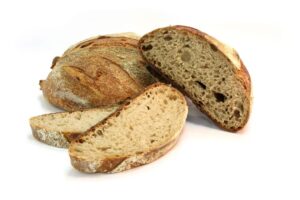
While we’re on the subject, I wanted to include a recipe for unleavened bread. This bread contains gluten. It’s made with whole wheat flour, but it’s unleavened. Yes, I wish we didn’t have to eat bread at all, but if we do, let’s at least use homemade bread made with heirloom wheat varieties like spelt, emmer, and lentil. I make one loaf of bread and I think it lasts about a month. Sometimes you just want to spread something on it, or dip it in something. That’s when I turn to my homemade bread… I hope you like it too. At least there’s no yeast swelling…
Ingredients:
750 g whole wheat flour (I use spelt, black wheat, or emmer wheat)
450 g water
½ cup yogurt
½ cup olive oil
1 teaspoon salt
1 teaspoon baking soda or baking powder
Mix all ingredients together. Transfer to a baking dish. Bake in a preheated oven at 180 degrees Celsius (350 degrees Fahrenheit) for 30 minutes uncovered and 30 minutes covered. This is the key point, I think. The bread becomes very fluffy.
NOTE: The original recipe belongs to Taha Dinç. I got it from him years ago and still make it from time to time.
The image is representative. When I make it again, I will take a nice photo and post my own picture here.
Wishing everyone healthy, happy, and sugar-free days.