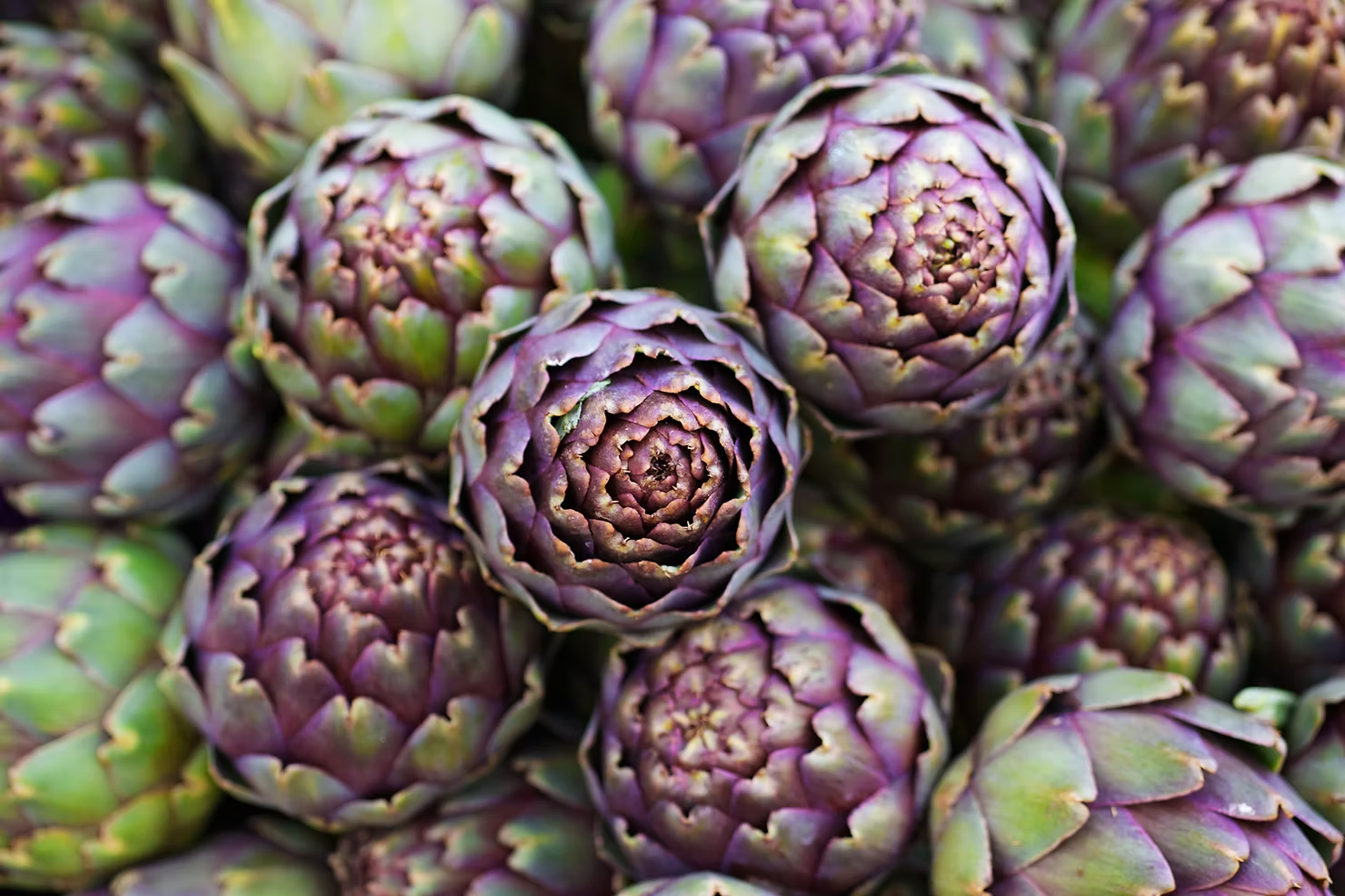
One of my main food sources is vegetables. All kinds, colorful, diverse vegetables. All the different dietary trends in the world advocate different things. Some advocate high protein, some grain-free, some fat-free, but they all have one thing in common: the gem effect of vegetables. This shows us that vegetables should be a part of our lives every day in some way.
I didn’t adopt this because dietary trends say so, though. I came to this path partly out of necessity and partly because I love them. As you know, I don’t really like meat except for fish. I always consume carbohydrates in limited quantities. As for oilseeds and nuts, they’re great, but portion control is always necessary. So what’s left to eat without limit? Of course, my dear vegetables… Yesterday, I received the same question from different people repeatedly, which prompted me to write this post: “How do you get full with vegetables?”
You can find my answer here: I eat my vegetables without limit.
The important thing here is not so much how you get full with vegetables, but rather adapting methods of not getting too hungry to your diet. So, first let’s eliminate the root cause of the problem so that implementing the solution is easier.
I generally follow a low-carbohydrate diet to avoid disrupting my sugar and insulin levels too much. For example, if I have oatmeal for breakfast, I don’t eat high-carbohydrate foods like quinoa, rice, or bread for lunch or dinner. This rule is the main reason I don’t get too hungry. You don’t need to have a history of diabetes like me. Everyone who restricts carbohydrates gets hungry later. Of course, when high-carbohydrate foods like rice, pasta, and bread aren’t in my meals, I compensate for that with vegetables to feel full. I definitely don’t limit myself to 6 or 8 tablespoons of vegetables or salads. Vegetables are so beneficial and packed with fiber that I don’t see any need for limits. (Of course, the situation is different for those on a special recovery diet.)
Vegetables need to be lightly cooked to keep us full. To preserve their vitamins and to keep us feeling full, I eat them almost firm. This golden rule keeps me full. Overcooked, soft vegetables are quickly expelled from the digestive system like a puree. Lightly cooked vegetables, on the other hand, spend more time being digested, meaning they keep us feeling full for longer. When I add yogurt to these vegetables, I feel incredibly full!
Since good fats like avocado, coconut oil, walnuts, almonds, and hazelnuts also help keep us feeling full, combining this with protein from good quality meat and legumes, plenty of vegetables, salads, yogurt, kefir, eggs, and healthy fats makes for a very healthy and energetic day.
If you try this method, I would be very happy if you let me know how you feel. I hope it will be helpful for you too.
Wishing everyone healthy, happy, and sugar-free days!