
For those who want to lie down between these two clouds and take a deep breath, I’ve opened my arms and turned to you, with a picture of my name.
We’re going through tough times. We’ll heal each other’s wounds together. Life is hard for all of us right now. While we’re already going through difficult times, we all have our own personal challenges. I have them too. Everyone has different coping mechanisms. I’m here for those who choose food as a coping mechanism.
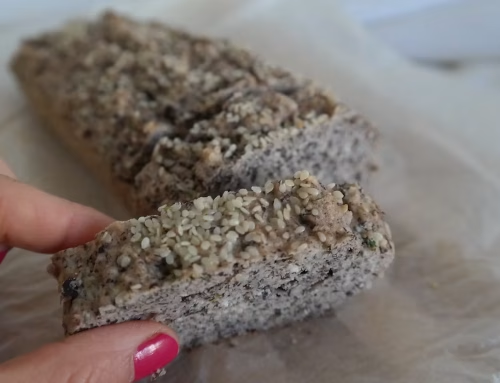
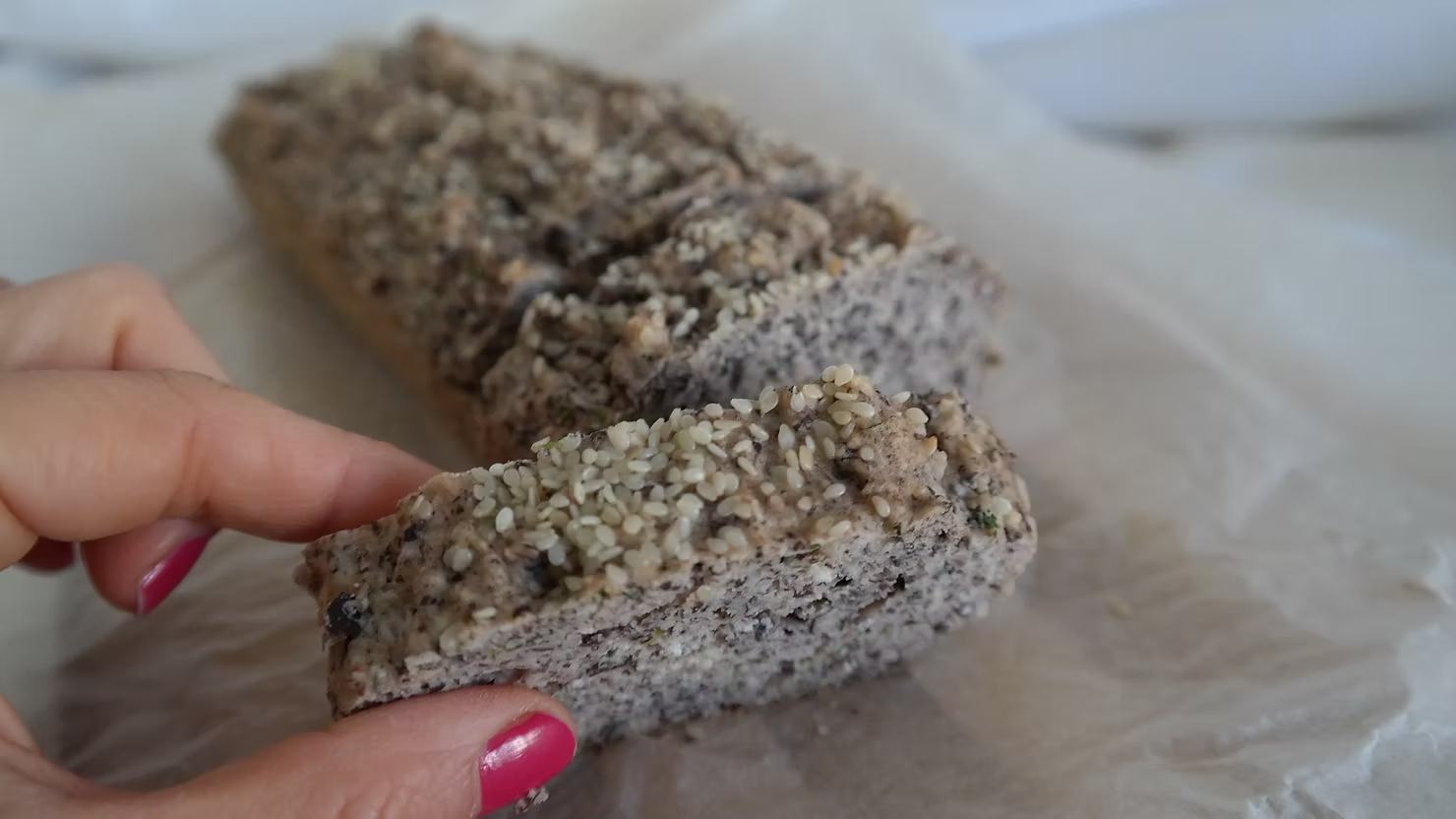
Okay, from today onwards, the eating until you burst is over. I’m back. I feel like you’re letting go of the reins when I’m not writing to you. I have a responsibility to each and every one of you. So, calmly put down that pastry you’re holding and go make some oatmeal pie. I can even make some for you 🙂
I know, when you’re going through tough times, your hands immediately reach for food. We’ll look at this from two angles. Physically satisfying your hunger with the right things is something that prevents overeating. Those who work with me know how their hunger decreases. Eliminating sugar from your diet and reducing grains, even gluten-free ones, is key. And of course, adding vegetables instead. I explain this in my Instagram posts. How do you recognize physical fullness? Your stomach swells, blood sugar starts to rise, and the brain receives the signal that “enough food has been consumed.” But the most important question is, are we receiving that signal? Probably because while eating, our minds are on the news, social media, or tasks to be done, so we don’t receive this signal and continue to eat more. Eventually, the stomach swells so much that the brain says, “Something’s strange here. This person is full but still eating.” We have a system inside us that’s smarter than us. It says, “Things are getting strange now, this excessive fullness is causing discomfort,” and to avoid feeling this discomfort, it numbs the body. And we gain the capacity to eat more and more, until our stomachs reach the point of nausea or bursting. How did we get here? Because we didn’t receive the initial satiety signal. So what do we do? While eating, we keep our minds focused on our plate and the food we’re eating.
Another issue is the desire to find happiness in food. Sometimes, I think we attach too much meaning to food. Ultimately, they are essential for our survival, providing us with vitamins, minerals, and enzymes. But do you know what I see most often right now? Those foods are a friend to alleviate loneliness, a husband who doesn’t hug, a lover who doesn’t communicate… A way to express unspoken anger and resentment. The goal is to numb ourselves and not feel those emotions. I explained how numbness occurs above. That’s exactly why food is an addiction, like alcohol or cigarettes. We choose numbness to avoid seeing the emotions we can’t cope with. It’s no different than drinking a bottle of wine. We wake up in the morning with a hangover, angry at ourselves. The effects of the night before are still on our bodies. But have those unpleasant feelings disappeared? Of course not. Neither the event that created it, nor the emotion it created, has been erased.
So, what should we do instead of food in such situations? First, we will see and accept our emotions. Running away from or rejecting them doesn’t help us. Then, we will look at what we can choose instead of food. What makes me happy in this life? We will choose. For example, walking in the forest makes me happy. Even if it rains heavily today, I will go for a walk. If we don’t maintain this balance, our brain sends an error report. It constantly feels threatened and releases hormones accordingly, but right now, this very second, there is no threat. We are alive, we are breathing.
I hope what I’ve told you helps you and that you start putting it into practice. I will continue to explain.
I embrace you all with love.
Sema